As DOD steps up response to bioweapon threat, China plays complicated role in biosecurity
['China', 'biological', 'Defense', 'United', 'state']
A new bio defense council looks to get ahead of the next pandemic.
As DOD steps up response to bioweapon threat, China plays complicated role in biosecurity
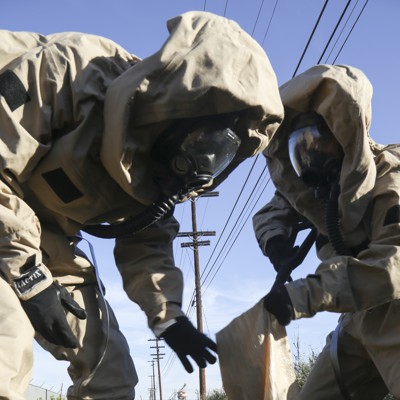
The Defense Department is launching a new bio defense council and seeking $812 million to better prepare for future biological emergencies and deter countries like China from pursuing potentially deadly biological weapons. Government officials announcing the new council Wednesday at a CSIS event said the world-especially the United States-has to try to work with China on emerging biological threats, even as the Pentagon focuses on deterring the nation from conflict. The review suggests the United States use grants and other financial incentives to lure medical equipment and supply manufacturing away from China and back to the United States, and possibly use the Committee on Foreign Investment in the United States, or CFIUS, to better address money that goes to China and make sure U.S. intellectual property relevant to bioweapons isn't going to China. Unlike in many other domains, the United States can't simply isolate China when it comes to biological security. The heated-and sometimes ill-informed-controversy over the idea of NIH funding for gain-of-function research illustrates clearly the political dangers of trying to engage with China on joint biological research initiatives. Therein lies one of the key weaknesses in U.S. response to biological threats, as revealed by the Covid-19 pandemic: disinformation about viruses, both from domestic sources and from state actors like China, spreads far faster than the pathogens themselves. The Defense Department is limited in the messaging it can do to counter misinformation and confusion about biosecurity threats, even if it is bound to take a lead on biological response to pandemics, because it's one of the only parts of government both parties can agree to fund.